SELECT COURSES TAUGHT

IMAGINING SOCIAL JUSTICE (THEME: GLOBAL ENVIRONMENTAL JUSTICE)
In the June of 2018, this National Geographic cover image by artist Jorge Gamboa captured the grim reality of an average of 18 billion pounds of plastic ending up in earth’s oceans. In what was described as the “tip of the ice-berg”, this brilliant and chilling image was at once a reminder of the garbage patch under the sea as well encapsulated our present moment threatened with global warming, climate change, melting of glaciers and sea-level rise. It is not a story of optimism.
Our class on “Ecologies for the Future: Global Environmental Justice” turns this framework of despondency and crises on its head to ask: What constitutes an environmentally just future? How does imagining a multispecies ecology for the future require us to shift the lens from the spectacular to the everyday? A provisional response to these questions might invite us to broaden our understanding of justice from a legal perspective to forms of justice that are speculative, temporary and cognizant of the inequalities in law itself. We will approach justice as a form, a method and as an argument to ruminate on the affordances that literature and the arts offer us in envisioning the future.
‘Ecologies for the future’ will move through a series of geographies, real and imaginative: Antigua in West Indies; Siliguri, Sunderbans, Purulia and New Delhi in India; Chittagong in Bangladesh; Lagos in Nigeria; Venice in Italy; and Detroit in Michigan to reflect on the qualifier ‘global’. This litany of names and places will enable us to come together in order to think through: what makes a text ‘global’? What logic of colonialism and capitalism does ‘global’ reiterate and what does it erase/stay silent on? We will read texts from a wide variety of genres: novels, short-stories, graphic novels, creative nonfiction, poetry; view short films and spend time watching underwater sculptures. In keeping with the spirit of play that this class recenters, you will have the opportunity to compose personal essays, visual texts, ask questions about how environmental data is created and disseminated, bring texts in conversation with each other and work on an environmental justice issue of your choice.
Grounding our inquiry in water, trees, food, ships and bodies: we will reckon with justice as a form of worldmaking to flesh out the poetics and politics of texts; we will immerse in the challenges of urban habitation; we will consider the uneven nature of resource distribution; we will listen to places and communities as vibrant and living archives; we will advocate for another world.
We will…
The possibilities are for you to imagine

FEMINIST COMPOSITION: PLACE, MOVEMENT AND ARCHIVES
What is feminist composition? For whom do we create/make? How does feminist composition allow us to challenge power? In this class, we will immerse in texts that engage with a place (oceanic), traverse across anticolonial imaginations of movements, and participate in building a trans-inclusive world through archival making. We will read short stories, poetry, non-fiction, hybrid-genre texts, and archival ephemera across the Indian Ocean. We will make our texts informed by our readings of these feminist texts to expand, challenge, and interrogate the boundaries of feminist composition.
PROPOSED CLASSES
For syllabi, assignment prompts and readings, please email me. This list is a snapshot of the training that I have to teach introductory, survey and advanced courses in Postcolonial Literatures, South Asian Studies, Oceanic Literatures, Environmental Humanities, Gender Studies and Pedagogy.
Global Anglophone/Postcolonial/South Asian
What is Global Anglophone? Where is Global Anglophone?
Postcolonial Time
Literatures of Oceans and Archipelagos
Introduction to Modern South Asian Literatures in Translation
Environmental Humanities
Anticolonial Environmentalisms
South Asian Resource Fictions
Global South Environmental Justice
Commons
Writing Studies
Curatorial Writing
Writing and Public Humanities
Writing Movement
Gender Studies
Gender and Environment
Feminist Science Studies
Reproductive Justice in South Asia
Curriculum Development in Archival and Feminist Studies
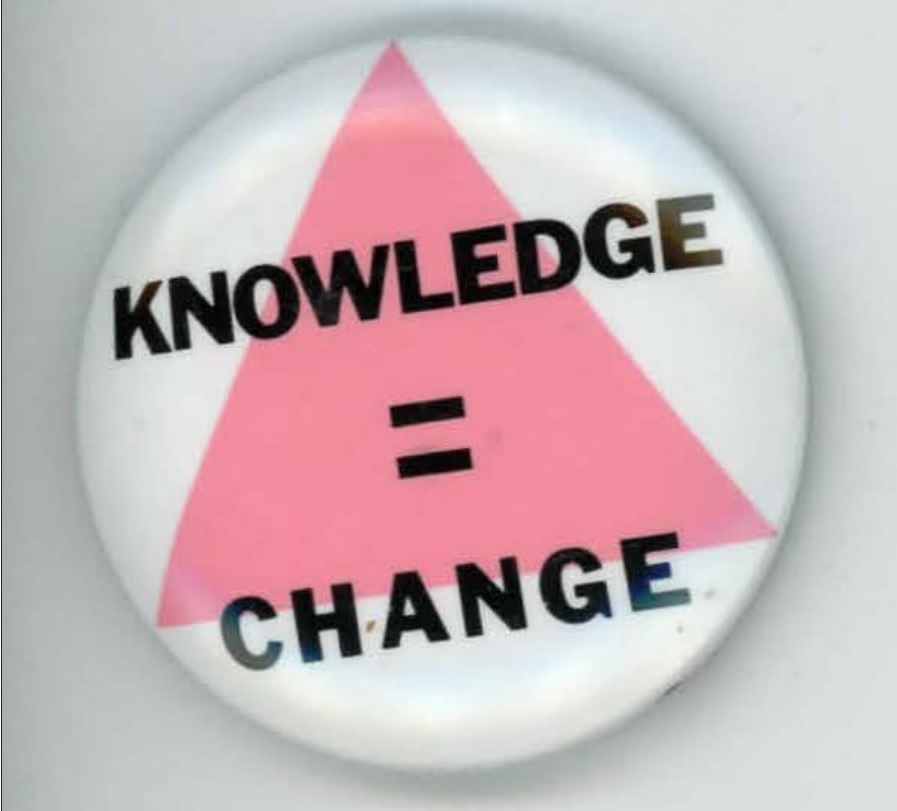
I am committed to using archival studies and methods to train students in research and practice.
As part of this endeavor, I have developed a module on teaching with printed ephemera supported by a Humanities Engage Grant from the Andrew Mellon Foundation.
I focused on printed ephemera and the issues of Fanfare Magazine published from South Africa, digitized in the Digital Trans Archives Database to enable undergraduate students engage in archival research methods that does not repeat and perpetuate a vicious circle of exclusion and violence.